
Alberta lakes are threatened by invasive species. These are non-native species that grow along the shorelines and aquatic species that live in the water.
If you’re interested in helping out with monitoring for invasive mussel species on your own property, click here. Looking to upload your substrate results? Simply report results here!
- WHY ARE THEY A THREAT?
- HOW DO THEY SPREAD?
- DOES ALBERTA HAVE THEM? WHAT CAN I DO?
- WHAT IS ALMS DOING ABOUT AQUATIC INVADERS?
- ADDITIONAL RESOURCES
Why are invasive species a threat?
They can damage your lake by:
- Reducing the diversity or abundance of native species or the ecological stability of the lake environment
- Impeding use of the lake for recreational, agricultural, or commercial activities dependent on water
Aquatic Invasive Species, in particular, are a threat to the economy especially to the agriculture, tourism, and recreation sectors. They destroy natural lake ecosystems and fisheries, and cost millions of dollars each year.
The species of greatest concern in Alberta currently are:
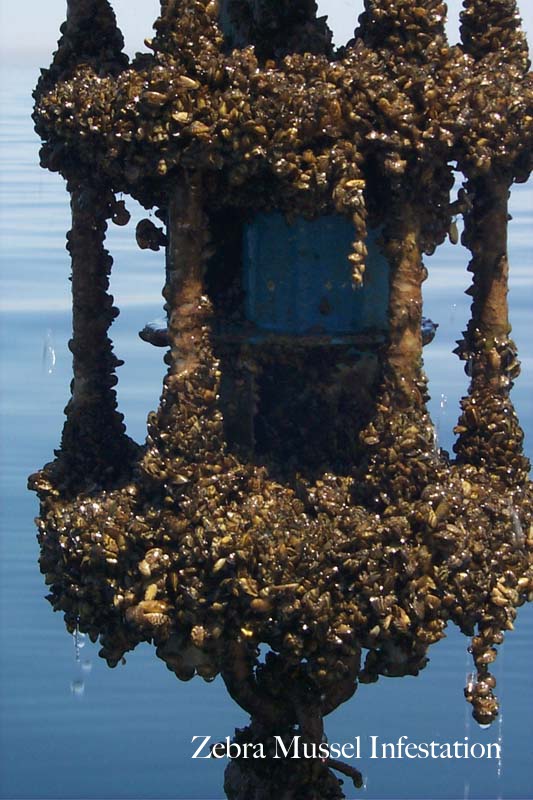
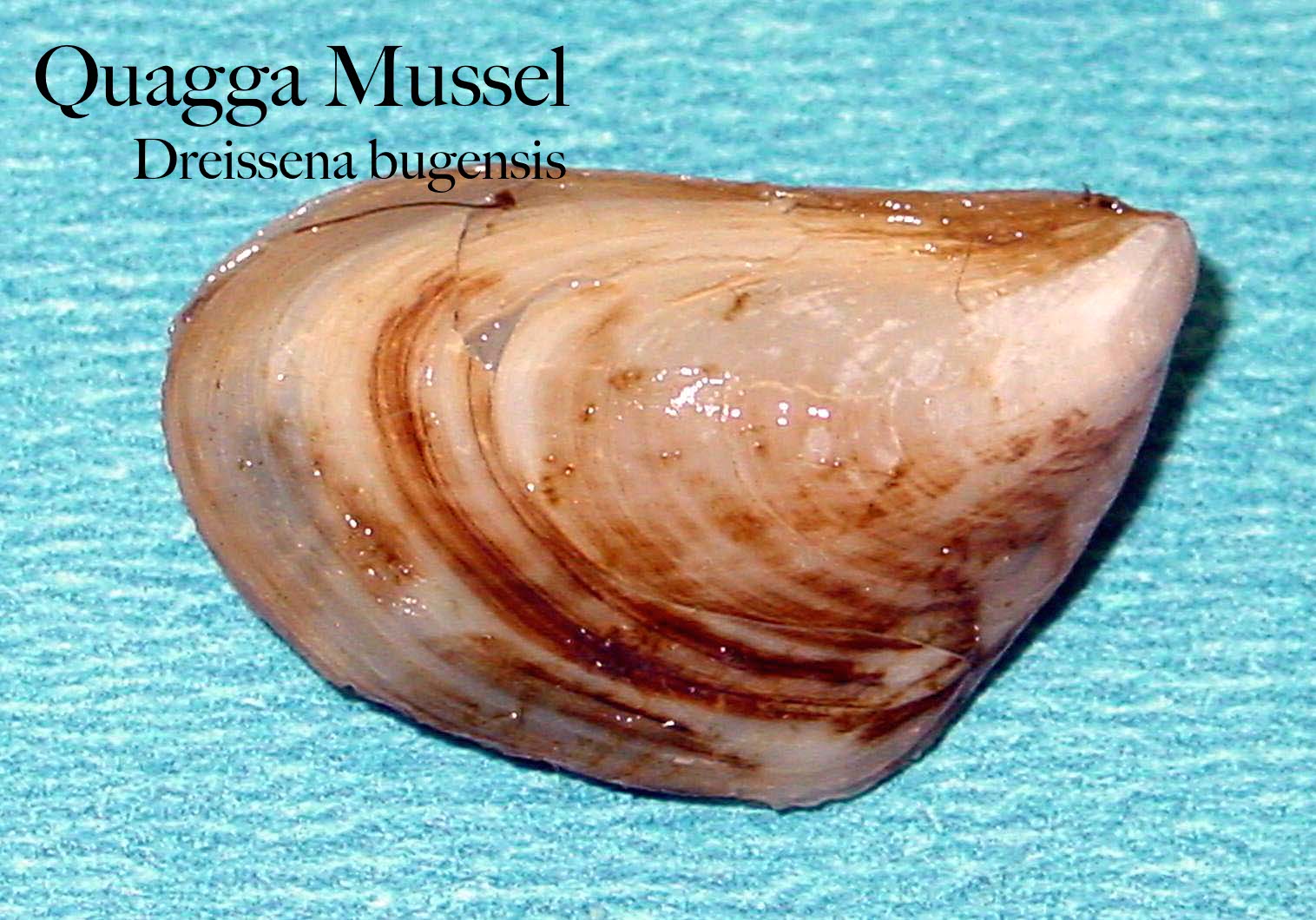
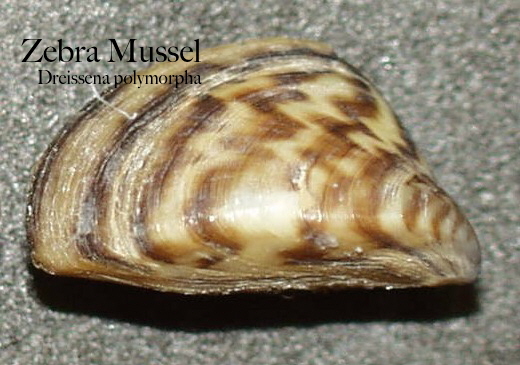
- Dressenid mussels: Quagga and Zebra mussels
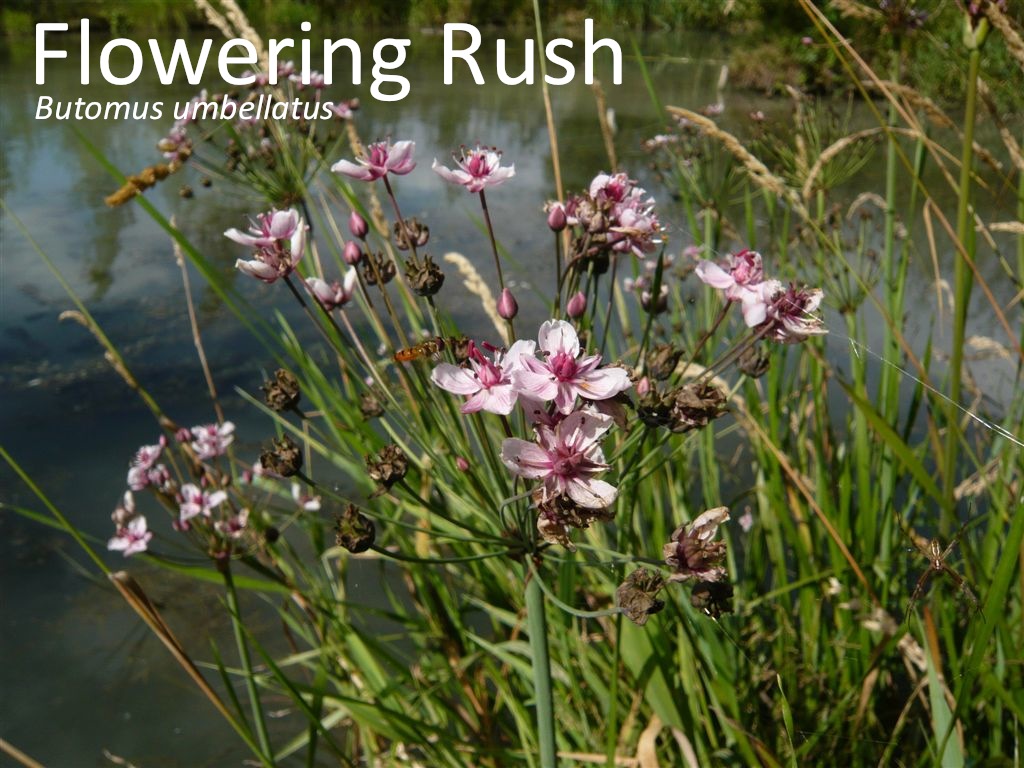
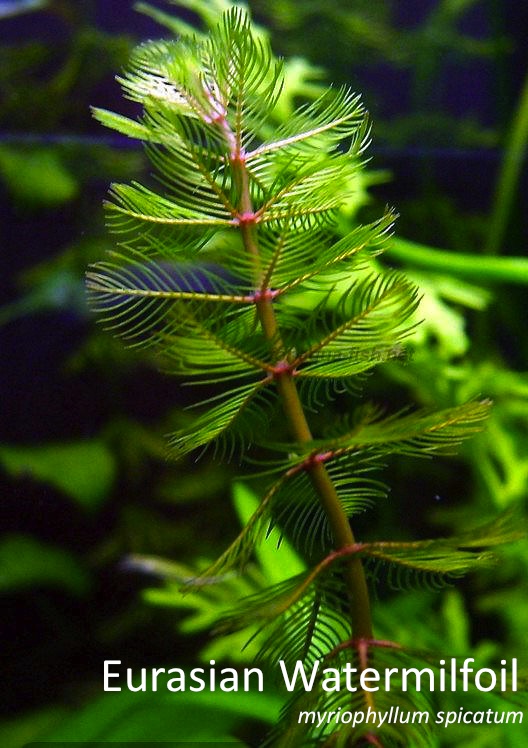
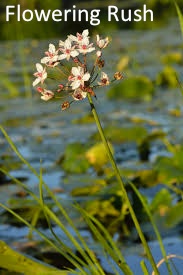
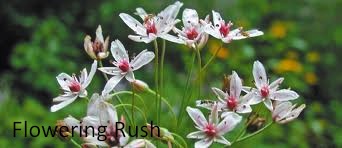
- Aquatic Weeds: Eurasian Water-milfoil, Flowering Rush
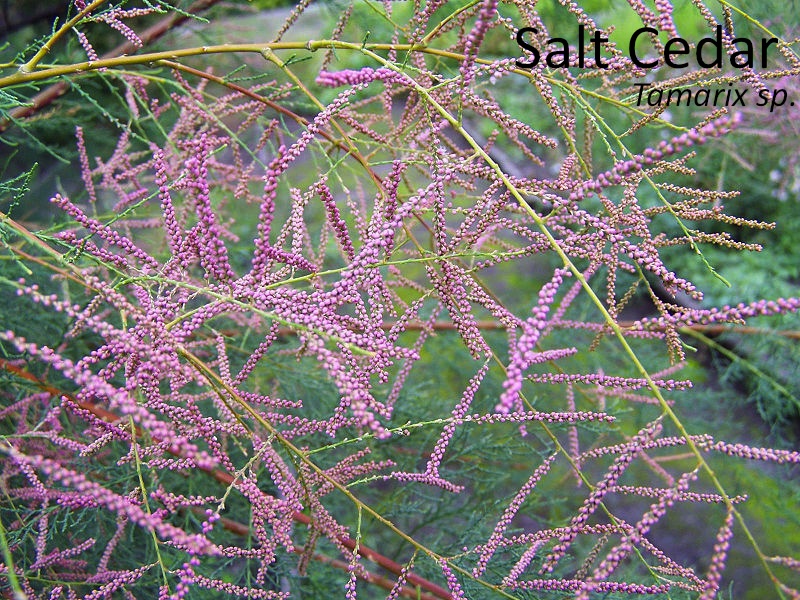
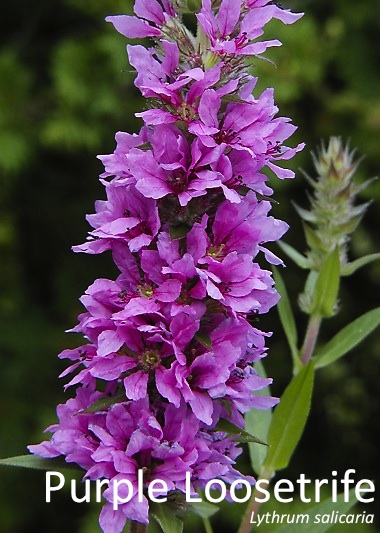
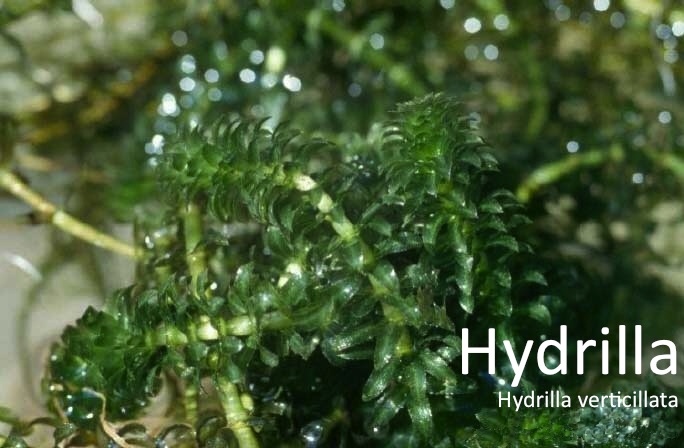
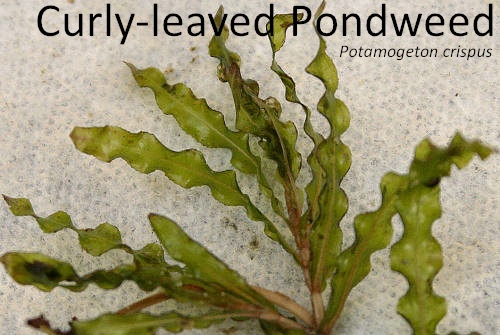
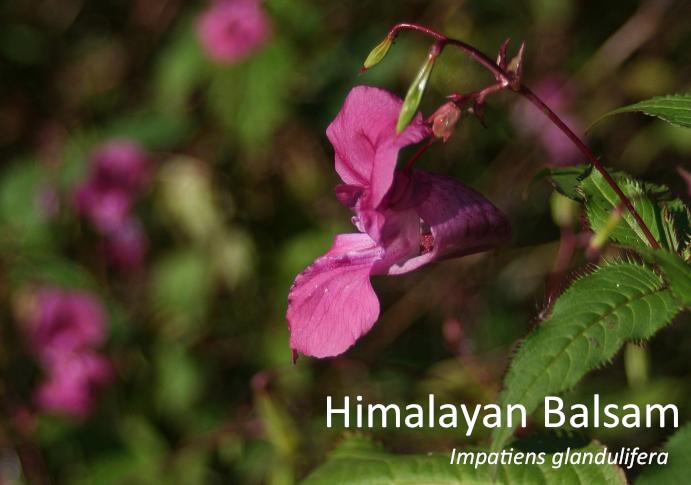
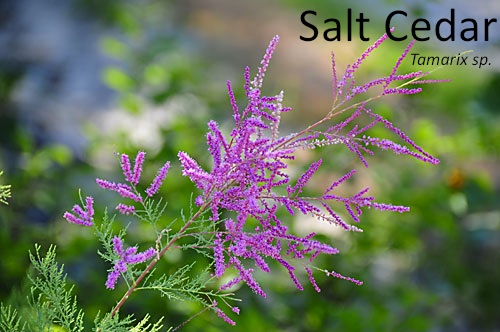
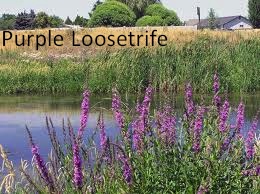
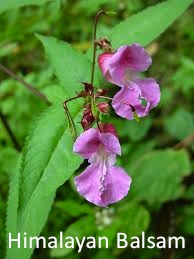
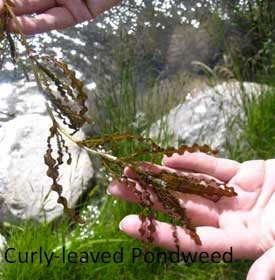
Other aquatic invasive species of concern including emergent, submerged and shoreline plant species can be seen below:
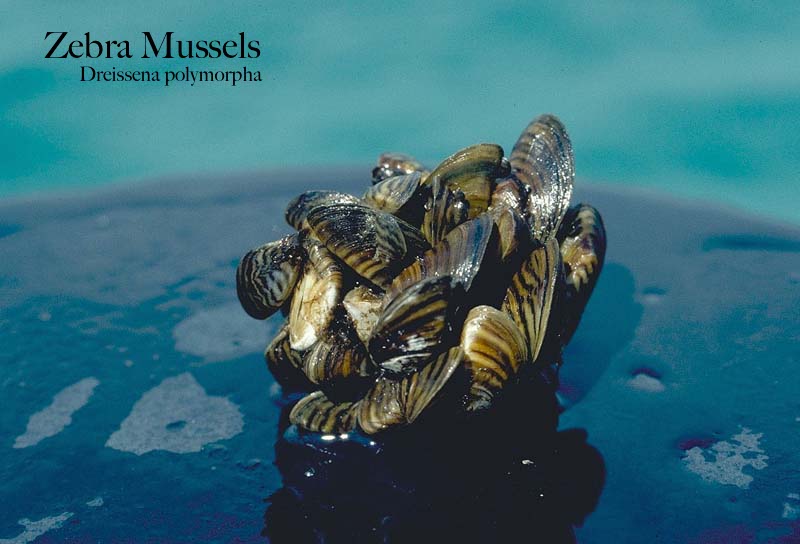
How do Aquatic Invasive Species spread?
Aquatic Invasive Species are primarily spread through the transportation of watercraft from infected waters to unaffected areas. Eurasian watermilfoil is found in BC lakes and throughout the USA. Mussel infected lakes have been found in Manitoba (Lake Winnipeg), Utah, South West USA, and eastern North America. Boaters are discouraged from transporting boats from these areas to Alberta lakes.
Many shoreline invaders are ornamental plants that have escaped from people’s gardens.
Does Alberta have aquatic invasive species? What can I do?
Invasive Mussels have not been detected yet in Alberta lakes – let’s keep it that way. Prevention is the most effective way of managing Aquatic Invasive Species.
Flowering Rush is the only aquatic invasive plant currently found in Alberta. When traveling to different lakes ensure that your boat is free of aquatic plant debris.
What can I do to prevent the spread of Aquatic Invasive Species?
-
- Learn to identify water invaders
- Anglers and Boaters: Clean, Drain and Dry your boat and equipment before departing a site. Aquatic Invasive Species like quagga and zebra mussles can spread quickly and can live out of water for up to 30 days. Weeds like Eurasian watermilfoil spread by tiny fragments attached to boats and gear. Learn more from Alberta Environment & Parks.
- Off-highway Vehicle Users: Remove any vegetation or clumps of mud or debris from the vehicle and thoroughly clean the underside of vehicles, tires and parts before moving to another area.
- Purchasers of Recreational Equipment from Outside Alberta: help prevent the spread of harmful freshwater mussels and other invasive alien species to Alberta, clean and decontaminate boats and off-highway vehicles (OHVs) purchased or used out of province before returning home.
- Gardeners and Lakeside Landowners: Learn about invasive plants before going to gardening stores and do not buy plants or seed mixes that may become invasive. download weedwise garden brochure
- If you suspect you have an invasive species in or around your lake or on your lake property, you can call the nearest Fish and Wildlife office at 310-0000.
Where do I call to report something suspicious on my boat or equipment?
1-855-336-2628 (BOAT)
What is ALMS doing about aquatic invaders?
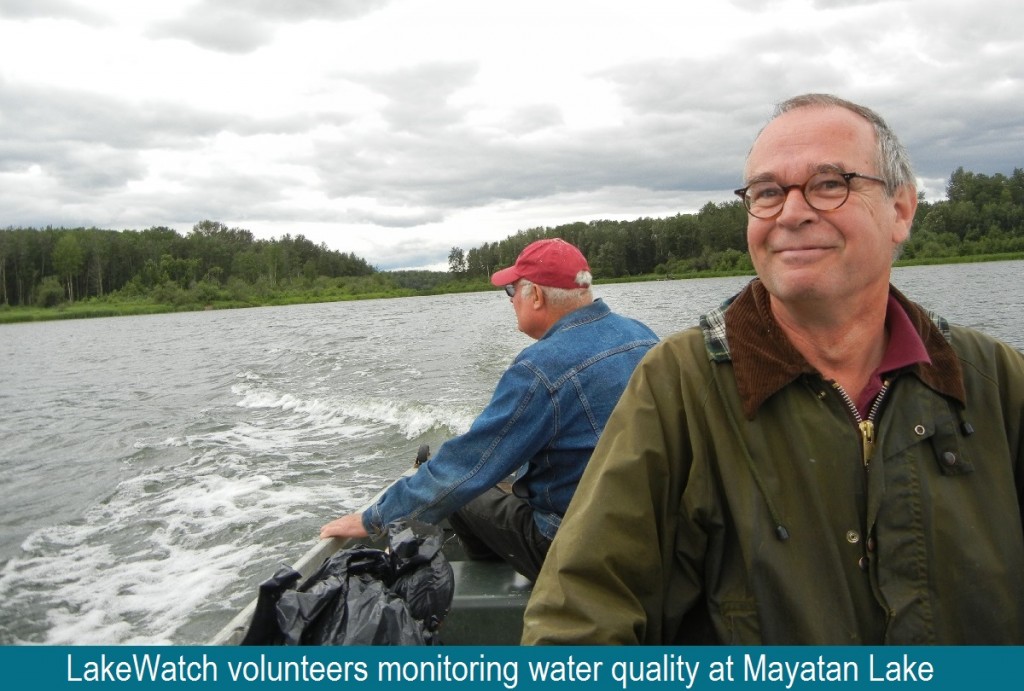
We are monitoring for aquatic invasive species as part of our LakeWatch program. ALMS is involved in education and outreach on this issue and can provide you with information about invasive species at your lake. The map below shows locations where LakeWatch and other initiatives around the province have recently monitored for juvenile invasive mussels (veligers).
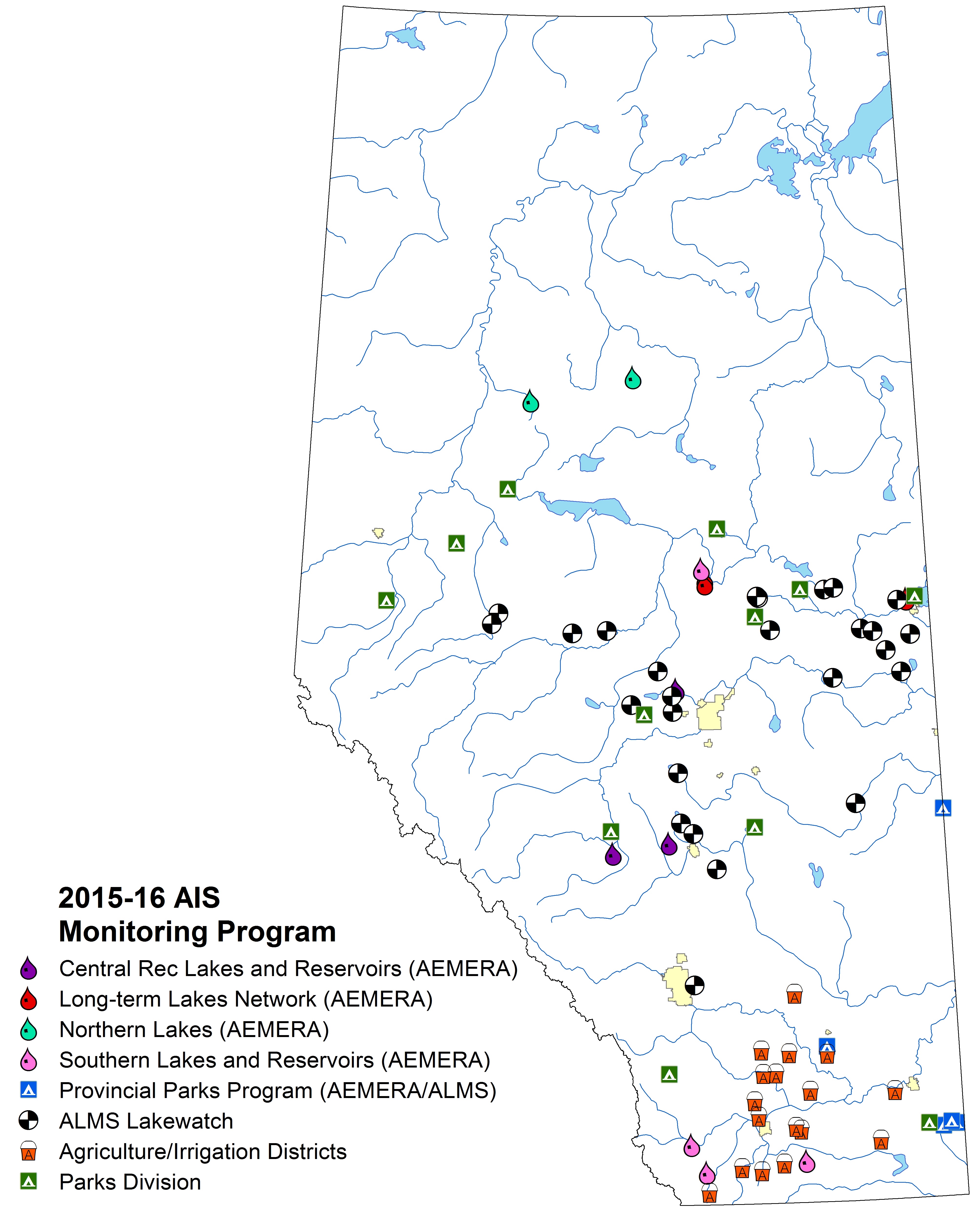
If you would like to monitor your lake please contact us and we can provide equipment.
What additional resources can I access?
- Alberta Invasive Species Council factsheets
- Aquatic Invasive Species Threatening the Crown of the Continent publication
- Learn more about the eradication of Himalayan Balsam at Pigeon Lake and have a listen to this catchy tune about how to remove it.

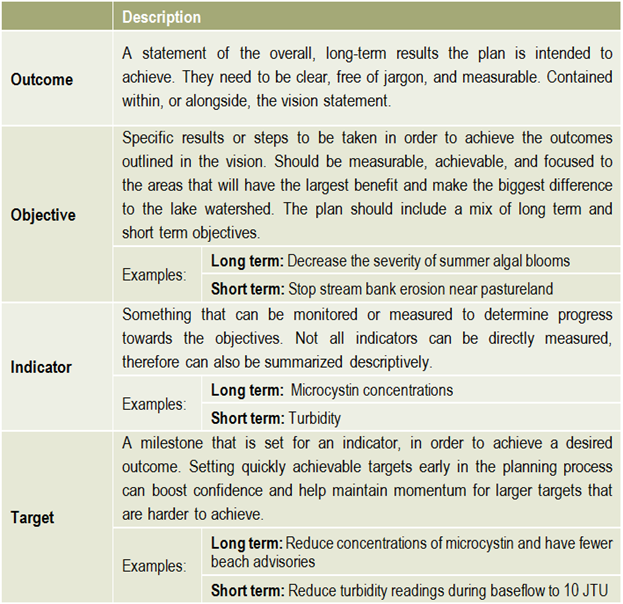
 The members of the steering committee will continue to play a strong role in facilitating and tracking implementation actions. This includes any actions they were responsible for, as well as tracking other committees and sector’s actions and progress made towards achieving the plan’s outcomes. Ongoing communication is essential to successful implementation and achieving outcomes, therefore a regular reporting mechanism could be set up in order to provide regular evaluation of the plan.
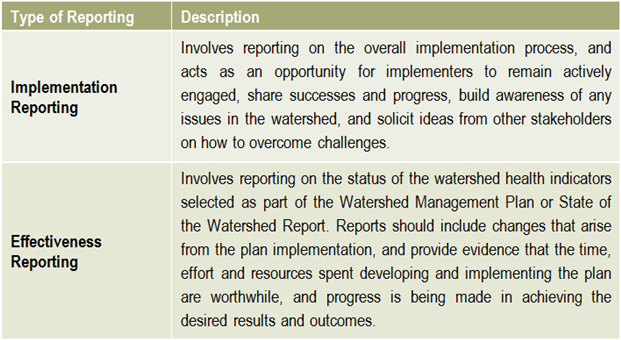 Reporting is an essential component of any watershed management planning and implementation process. There are two main types of reporting that should be shared with stakeholders on a regular basis: implementation reporting & effectiveness reporting.
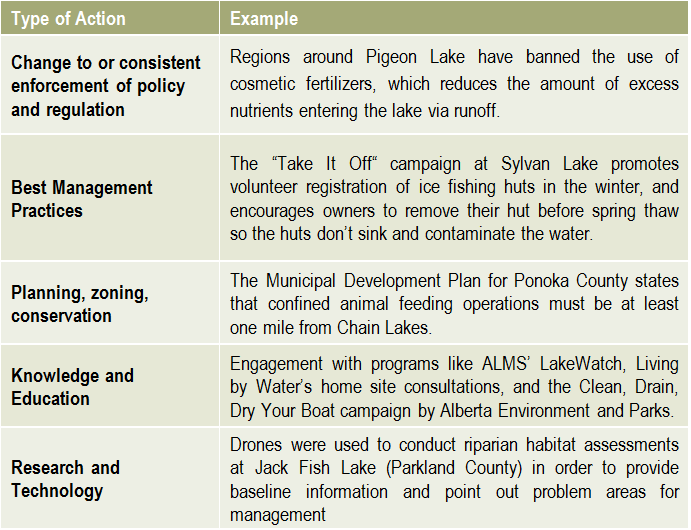 There is no limit to the number or types of lake management actions, but they typically fall into the categories on the right.
 Helpful resources
 The development of a lake watershed management plan provides the guidance needed to implement activities, but the plan cannot be static. Monitoring the performance of your management actions is essential to understanding whether your goals have been met, and whether further actions are needed. Monitoring and evaluating the implementation and effectiveness of a lake watershed management plan allows assessment of progress towards the goals and objectives of the plan, identification of problems and opportunities, and a collection of critical information required when performing a 5 or 10 year review of the plan.
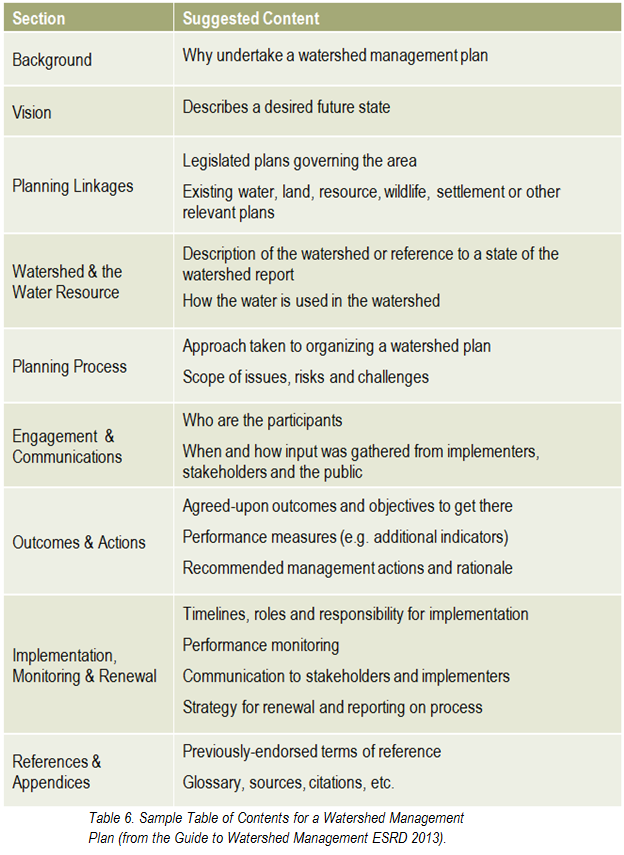
 What has the monitoring results of the plan and of the indicators shown? Is there a need to modify the plan? It is important that the lake watershed management plan does not just sit on a shelf. Information gaps should be addressed, action items need to be managed, completed, and evaluated to best address the needs of the lake. Always keep in mind the vision: if the actions taken are not bringing the lake closer to that vision, then the plan needs to be modified. Consider updating both the state of the watershed and the lake watershed management plans at regular intervals to make sure that the actions taken were achieving the desired outcomes and to evaluate what work still needs to be done.
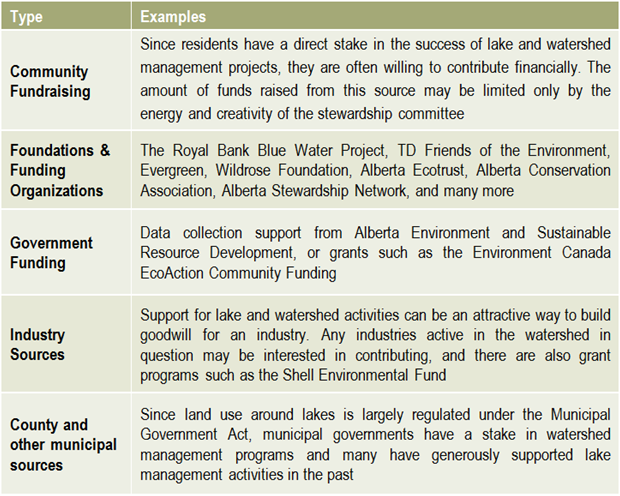 Once a plan has been approved by all affected sectors and officially endorsed and released by the steering committee, then implementation can begin in full. Action projects can be large and comprehensive, or made smaller by staging projects over time or into modules that can be tackled one at a time. Fundraising is an issue that many community groups may find intimidating, but experience with programs such as the Pine Lake Restoration Program (see
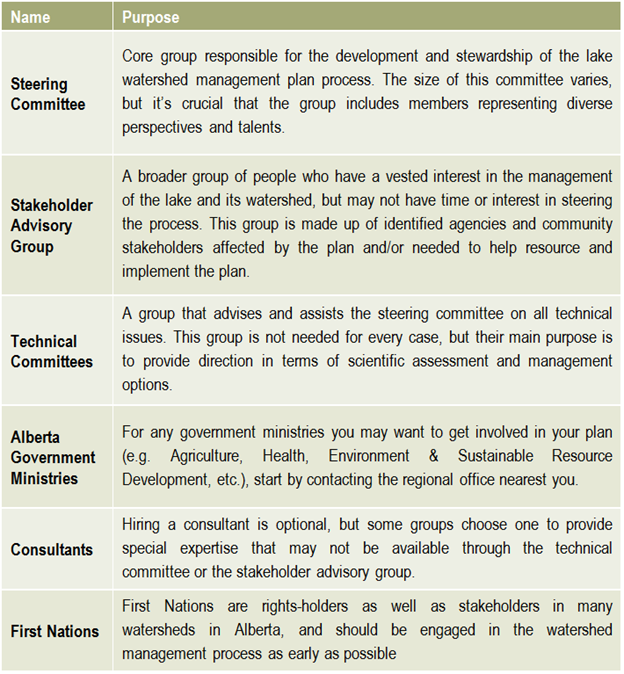
 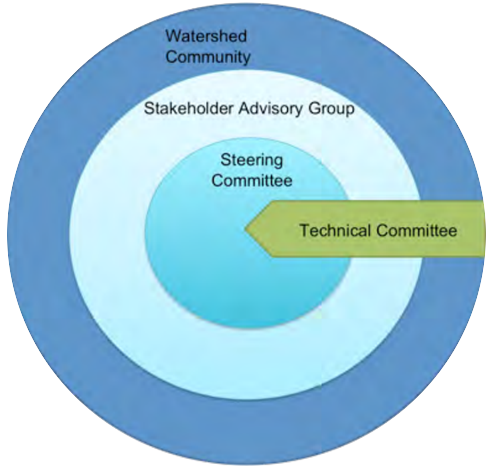 This graphic describes how the various committees and groups will work and interact together. The circle size depicts the approximate number of people involved, and the circles overlapping indicates that some individuals may reside in all of the circles and participate in multiple committees as part of the planning process. The technical committee is shown as an arrow, indicating that it is independent and has relatively few people, and yet it interacts with all of the groups. This graphic may look different depending on the lake and the people involved, and a detailed structure should be agreed upon and described in the plan’s Terms of Reference (Step 6).